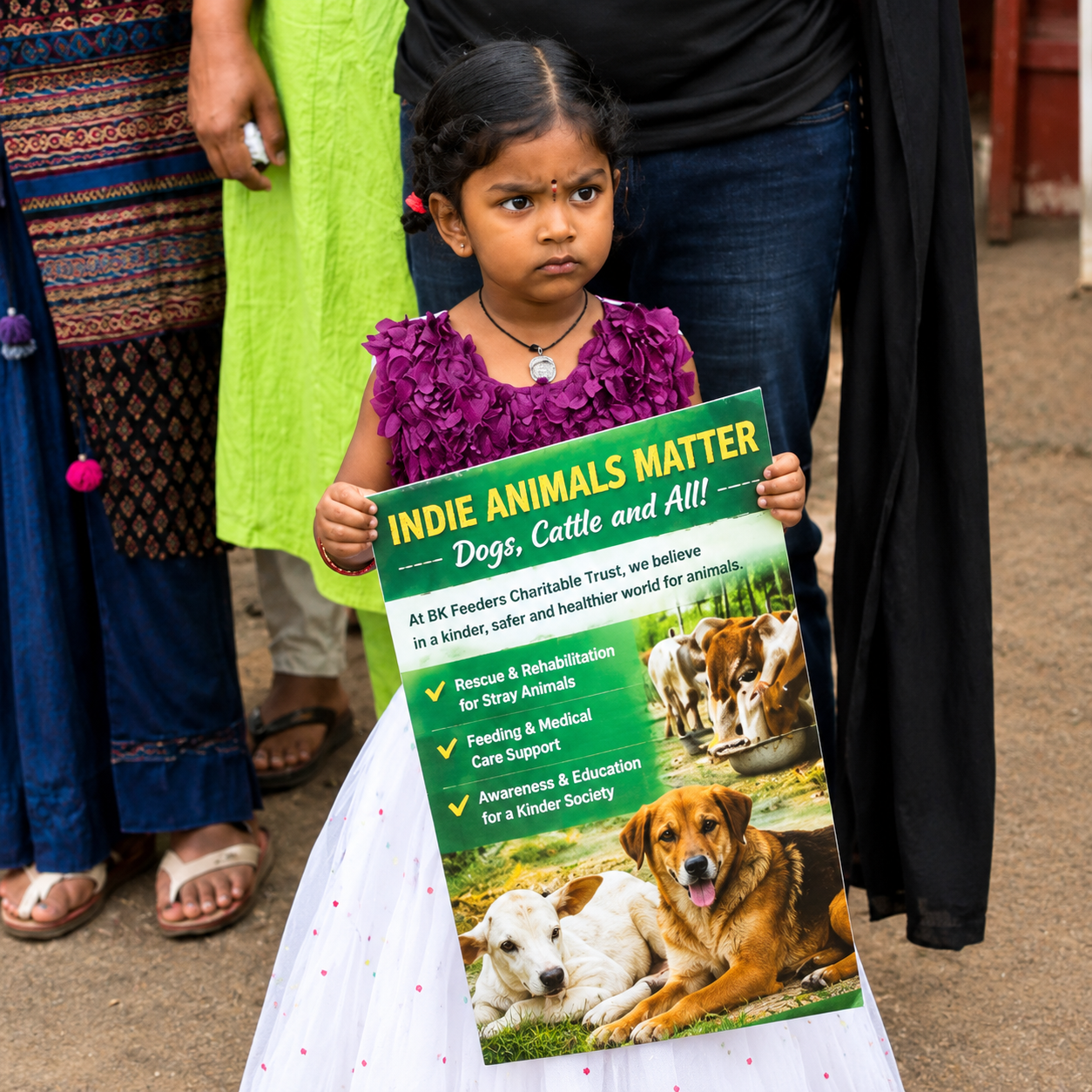
Charitable Organization: Creating Hope and Building a Better Future
A charitable organization is a non-profit organization that works to improve the lives of individuals, families, and communities in need. Its primary purpose is to create positive social change rather than generate profits for owners or shareholders. Charitable organizations work across many areas, including education, healthcare, food support, poverty reduction, women empowerment, child welfare, senior citizen support, environmental protection, disaster relief, and community development.
In every society, there are people who face financial, social, educational, or health-related challenges. While government programs and individual efforts can provide valuable support, charitable organizations help bring people together to address these challenges in an organized and meaningful way. Through donations, volunteers, partnerships, and community programs, they can provide immediate assistance while also creating long-term opportunities.
What Is a Charitable Organization?
A charitable organization is an organization established to serve a social, humanitarian, educational, environmental, or community-oriented purpose. Unlike a commercial business, its primary objective is to benefit society rather than distribute profits to private owners.
Charitable organizations may receive support through donations, grants, fundraising campaigns, corporate contributions, volunteers, and other legally permitted sources. The resources they receive can then be used to implement programs designed to address specific community needs.
A responsible charitable organization focuses on transparency, accountability, proper management, and measurable social impact. Its success should be evaluated not only by the amount of money it raises but also by the positive difference its programs make in people’s lives.
Why Are Charitable Organizations Important?
Many people around the world experience difficulties related to poverty, education, healthcare, unemployment, food insecurity, and lack of access to basic services. These challenges can affect individuals and families for generations if there are no opportunities for improvement.
A charitable organization can help bridge some of these gaps by providing support to vulnerable communities. Its activities may range from distributing essential supplies to creating educational and employment opportunities.
Some of the major areas of charitable work include:
- Education and scholarships
- Healthcare and medical support
- Food and nutrition programs
- Women empowerment
- Child welfare
- Senior citizen care
- Skill development
- Poverty reduction
- Rural development
- Environmental protection
- Disaster relief
- Community development
By working consistently in these areas, charitable organizations can contribute to stronger, healthier, and more inclusive communities.
Education and Student Support
Education is one of the most powerful tools for reducing poverty and creating long-term opportunities. Unfortunately, many children from economically disadvantaged families face difficulties continuing their education.
A charitable organization can support students through scholarships, school supplies, books, uniforms, educational materials, tuition assistance, and awareness programs. Some organizations also conduct skill-development and career-guidance programs for young people.
Supporting education can have benefits that extend beyond an individual student. An educated young person may have better employment opportunities and greater financial independence, which can positively influence the entire family.
Educational initiatives should therefore focus not only on providing materials but also on helping students develop confidence, skills, and the ability to build a better future.
Healthcare and Medical Assistance
Healthcare is another important area of charitable work. Medical treatment can be expensive, particularly for families with limited financial resources.
Charitable organizations can support communities by conducting health awareness programs, medical camps, health check-ups, blood donation drives, and other community healthcare initiatives. Depending on their resources and objectives, organizations may also assist eligible individuals with medical expenses or essential healthcare requirements.
Preventive healthcare education is equally valuable. Awareness about hygiene, nutrition, sanitation, preventive care, and healthy lifestyles can help communities reduce avoidable health risks.
A strong charitable organization can therefore contribute to both immediate medical assistance and long-term health awareness.
Food and Nutrition Support
Food is a basic human necessity, yet many families struggle to access sufficient and nutritious meals. Food support programs can provide immediate relief to people experiencing financial hardship or difficult circumstances.
A charitable organization may distribute cooked meals, groceries, food packets, nutritional supplies, or other essential items. These initiatives can be particularly useful during emergencies, natural disasters, economic hardship, or other situations where families need temporary assistance.
Food programs should be organized responsibly to ensure that support reaches people who genuinely need it. Where possible, organizations can also combine food assistance with education, healthcare, and livelihood programs to address the broader causes of food insecurity.
Women Empowerment
Women empowerment is an important part of sustainable social development. Women who have access to education, skills, employment, and financial opportunities can make stronger contributions to their families and communities.
A charitable organization can conduct vocational training, entrepreneurship programs, skill-development workshops, financial awareness sessions, and employment-oriented initiatives for women.
Training in areas such as tailoring, computer skills, handicrafts, digital skills, communication, and small-business management can help women explore new opportunities.
Supporting women is not simply about providing short-term assistance. It is about creating opportunities that can help individuals become more independent and confident.
Child Welfare and Protection
Children need access to education, nutrition, healthcare, protection, and a safe environment. Children from vulnerable backgrounds may face additional challenges that affect their development.
Charitable organizations can support child welfare through educational assistance, nutrition programs, healthcare initiatives, awareness campaigns, and community outreach.
Organizations working with children must prioritize their safety, dignity, privacy, and well-being. Responsible charitable work should focus on protecting children while creating opportunities for healthy growth and development.
Support for Senior Citizens
Older people may face challenges such as financial insecurity, health concerns, loneliness, or limited access to essential services.
A charitable organization can support senior citizens through healthcare assistance, food distribution, essential supplies, community activities, awareness programs, and companionship initiatives.
Providing material support is important, but emotional and social support can also make a meaningful difference. Helping senior citizens remain connected with their communities can contribute to their overall well-being and dignity.
Skill Development and Employment Opportunities
Long-term social development requires more than temporary assistance. People also need opportunities to become financially independent.
Skill-development programs can help individuals learn practical abilities that may improve their employment or entrepreneurship opportunities. Depending on local requirements, training may include computer skills, vocational activities, tailoring, handicrafts, communication, digital skills, or other useful areas.
A charitable organization can strengthen these programs by connecting training with employment opportunities, career guidance, or entrepreneurship support.
When people gain skills and opportunities to earn an income, they can become more self-reliant and support their families with greater confidence.
Community Development
Strong communities are built when people have access to basic services, opportunities, and social support.
Charitable organizations can conduct community-development initiatives based on local needs. These may include cleanliness drives, educational awareness programs, health camps, water and sanitation initiatives, infrastructure support, and community events.
Community participation is important because successful development should not simply be something done for people. It should also involve people in identifying problems and finding solutions.
When local residents participate in charitable programs, they can develop a stronger sense of responsibility and ownership toward their community.
Environmental Protection
Environmental sustainability is another area where charitable organizations can make a difference.
Programs may include tree planting, environmental awareness campaigns, waste-management initiatives, water conservation, cleanliness drives, and community education.
A healthy environment contributes directly to the quality of life of future generations. Charitable organizations can encourage individuals, schools, businesses, and local communities to participate in environmentally responsible activities.
Even small initiatives can create awareness when they are conducted consistently and involve local participation.
Disaster Relief and Emergency Assistance
Natural disasters and unexpected emergencies can have devastating effects on families and communities. People may lose homes, belongings, income sources, food supplies, and access to essential services.
During such situations, charitable organizations can help provide food, drinking water, clothing, hygiene products, medical supplies, and other necessities.
Effective disaster relief requires preparation, coordination, transparency, and responsible distribution. Organizations need to identify genuine needs and ensure that assistance reaches affected communities efficiently.
Emergency relief can provide immediate support, while long-term rehabilitation programs can help affected families rebuild their lives.
The Role of Volunteers
Volunteers are an important part of many charitable organizations. Not everyone can make a financial contribution, but people can often contribute their time, skills, knowledge, or professional expertise.
Volunteers may help with:
- Community outreach
- Educational programs
- Food distribution
- Health camps
- Fundraising activities
- Environmental campaigns
- Awareness programs
- Administrative work
- Skill-development initiatives
- Disaster relief activities
Volunteering can also help individuals understand the challenges faced by different communities and become more actively involved in social development.
The Importance of Donations
Donations can help charitable organizations continue their programs and reach more people. Contributions may support education, healthcare, food distribution, community development, emergency assistance, and other initiatives.
However, donors should always consider supporting organizations that demonstrate transparency and responsible financial management. Understanding an organization’s mission, activities, reporting practices, and approach to using donations can help donors make informed decisions.
A donation does not have to be large to be meaningful. When many people contribute according to their ability, small contributions can collectively support significant community initiatives.
Transparency and Accountability
Trust is one of the most important factors in charitable work. People are more likely to support an organization when they understand how it operates and how resources are used.
A responsible charitable organization should maintain appropriate records, follow applicable laws and regulations, clearly communicate its objectives, and use resources responsibly.
Regular updates about projects and achievements can help supporters understand the impact of their contributions.
Transparency is not simply about financial information. It also includes being honest about achievements, challenges, limitations, and the actual impact of programs.
How to Support a Charitable Organization
There are many ways individuals and businesses can contribute to charitable activities.
You can support a charitable organization by:
- Making a donation.
- Volunteering your time.
- Providing educational materials.
- Supporting food distribution programs.
- Donating useful supplies.
- Sharing legitimate charitable initiatives.
- Offering professional skills.
- Supporting fundraising campaigns.
- Participating in community programs.
- Helping during emergency relief activities.
Every contribution can become meaningful when it is directed toward a genuine need and managed responsibly.
Creating Sustainable Social Impact
The most effective charitable organizations look beyond temporary solutions. While immediate assistance is important, sustainable programs can help people improve their circumstances over time.
For example, providing food can address an immediate need, while skill development and employment support can help a family achieve greater financial stability. Similarly, providing school supplies can help a student today, while education and career guidance can create opportunities for many years.
This combination of immediate support and long-term development can make charitable work more sustainable and impactful.
Building a Better Future Together
A charitable organization provides a platform for people to come together for a common social purpose. Donors provide resources, volunteers provide time and skills, professionals provide expertise, and communities provide local knowledge and participation.
When these efforts work together, charitable initiatives can create meaningful and lasting change.
Social challenges cannot always be solved quickly. They require patience, planning, collaboration, and continuous commitment. A responsible organization can play an important role by identifying genuine needs, developing practical programs, measuring results, and improving its approach over time.
Conclusion
A charitable organization plays an important role in supporting vulnerable individuals, strengthening communities, and creating opportunities for a better future. Through education, healthcare, food support, women empowerment, child welfare, senior citizen assistance, skill development, environmental protection, and disaster relief, charitable organizations can address a wide range of social needs.
The true purpose of charitable work is not simply to provide temporary assistance. It is also to create opportunities, restore dignity, encourage self-reliance, and build stronger communities.
Whether through donations, volunteering, professional skills, or community participation, every person can contribute to positive social change. When people and organizations work together with compassion, transparency, and responsibility, even small efforts can grow into meaningful and lasting impact.
A better society is built through collective action. By supporting a genuine charitable organization, you can become part of an effort that helps people today while creating hope and opportunities for tomorrow.